The Amish and earning a living

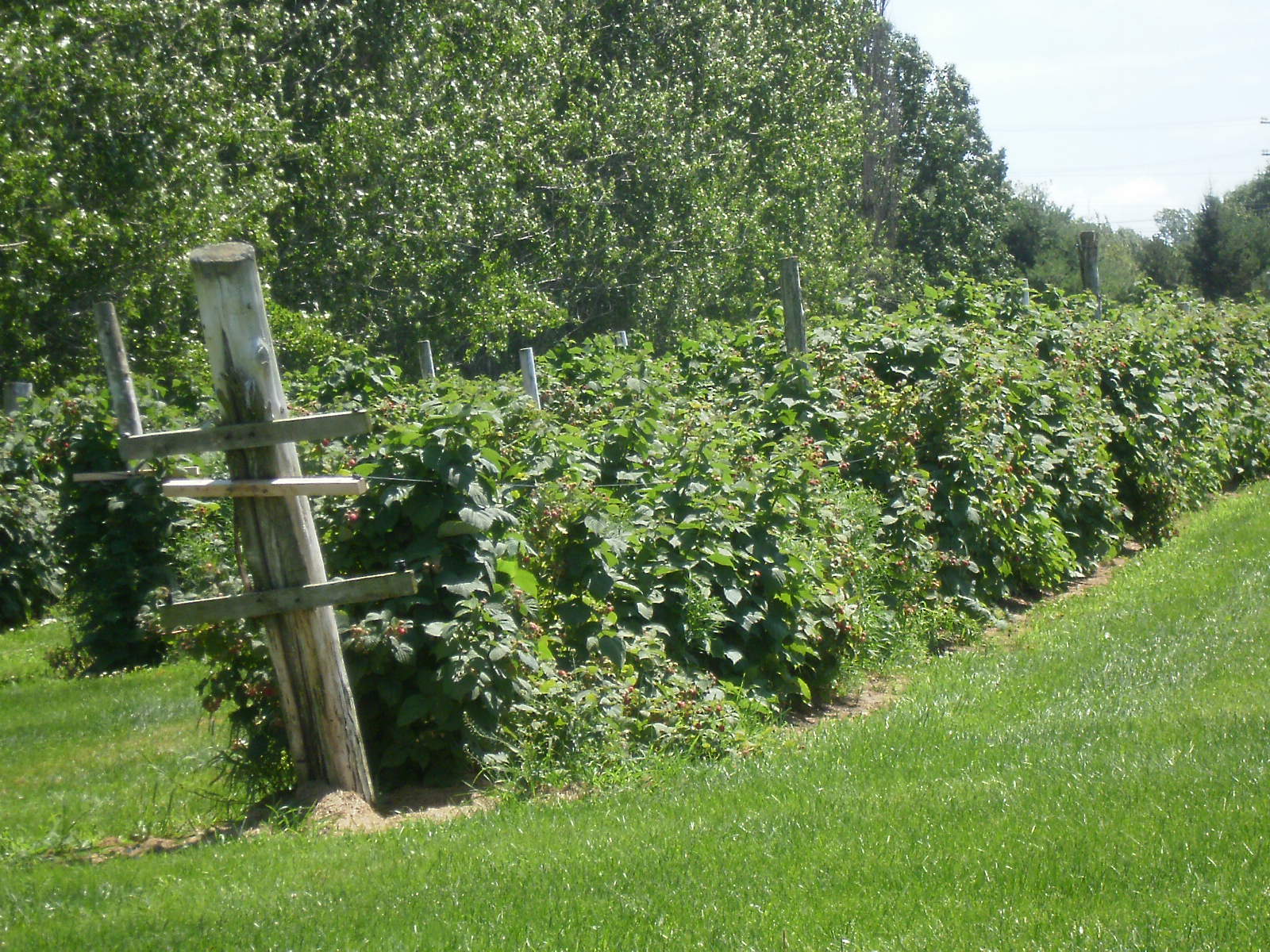
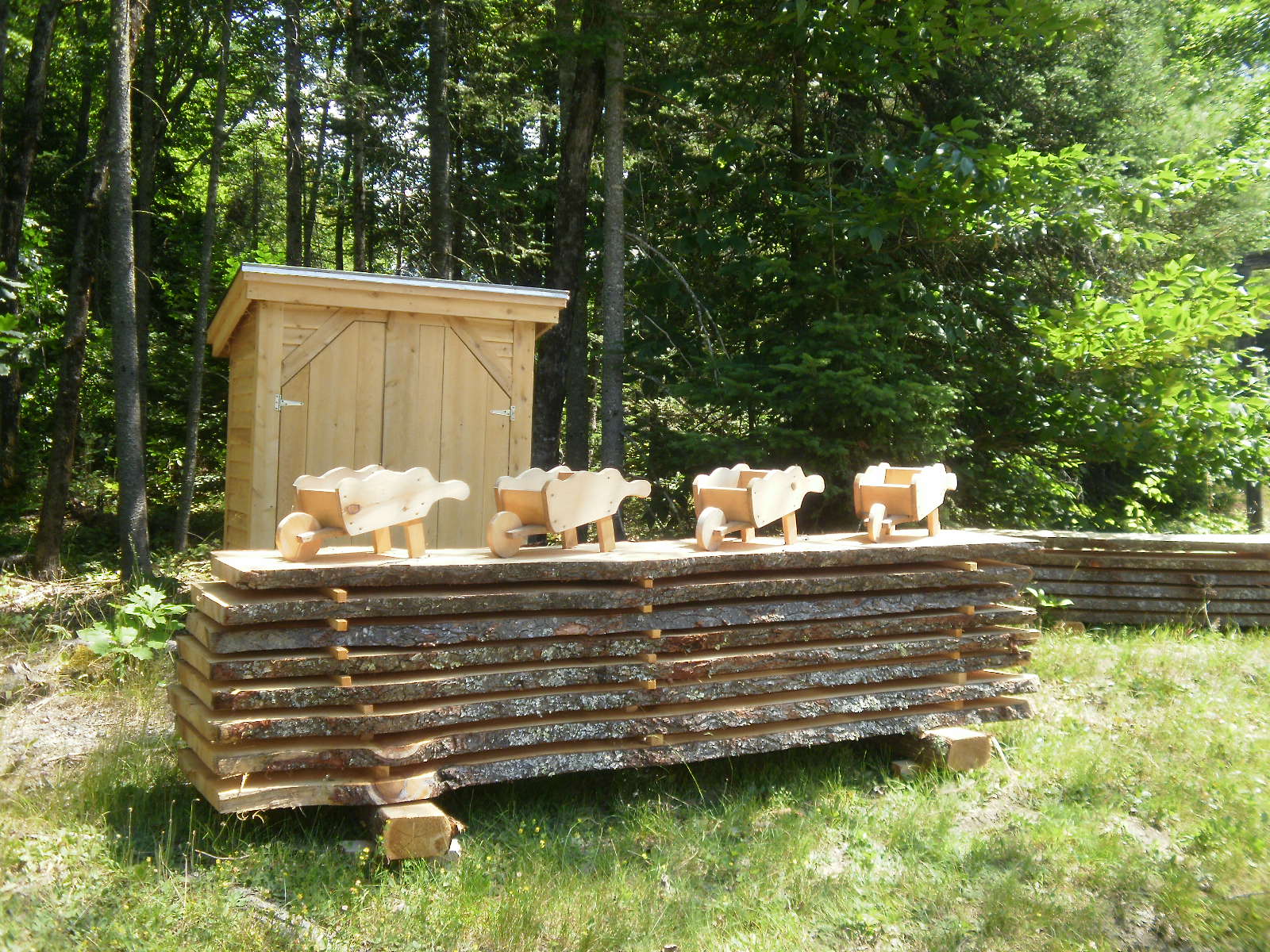
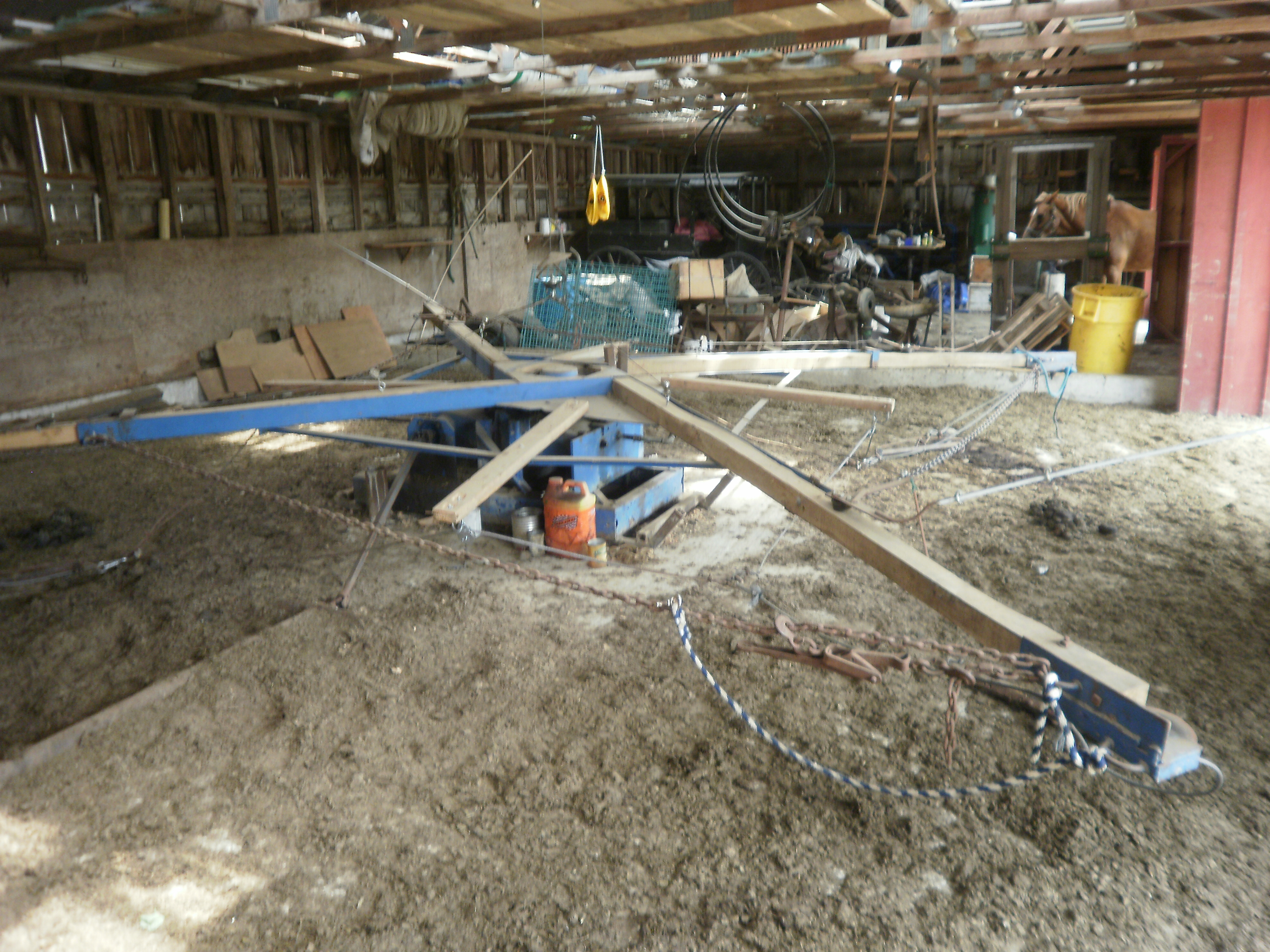
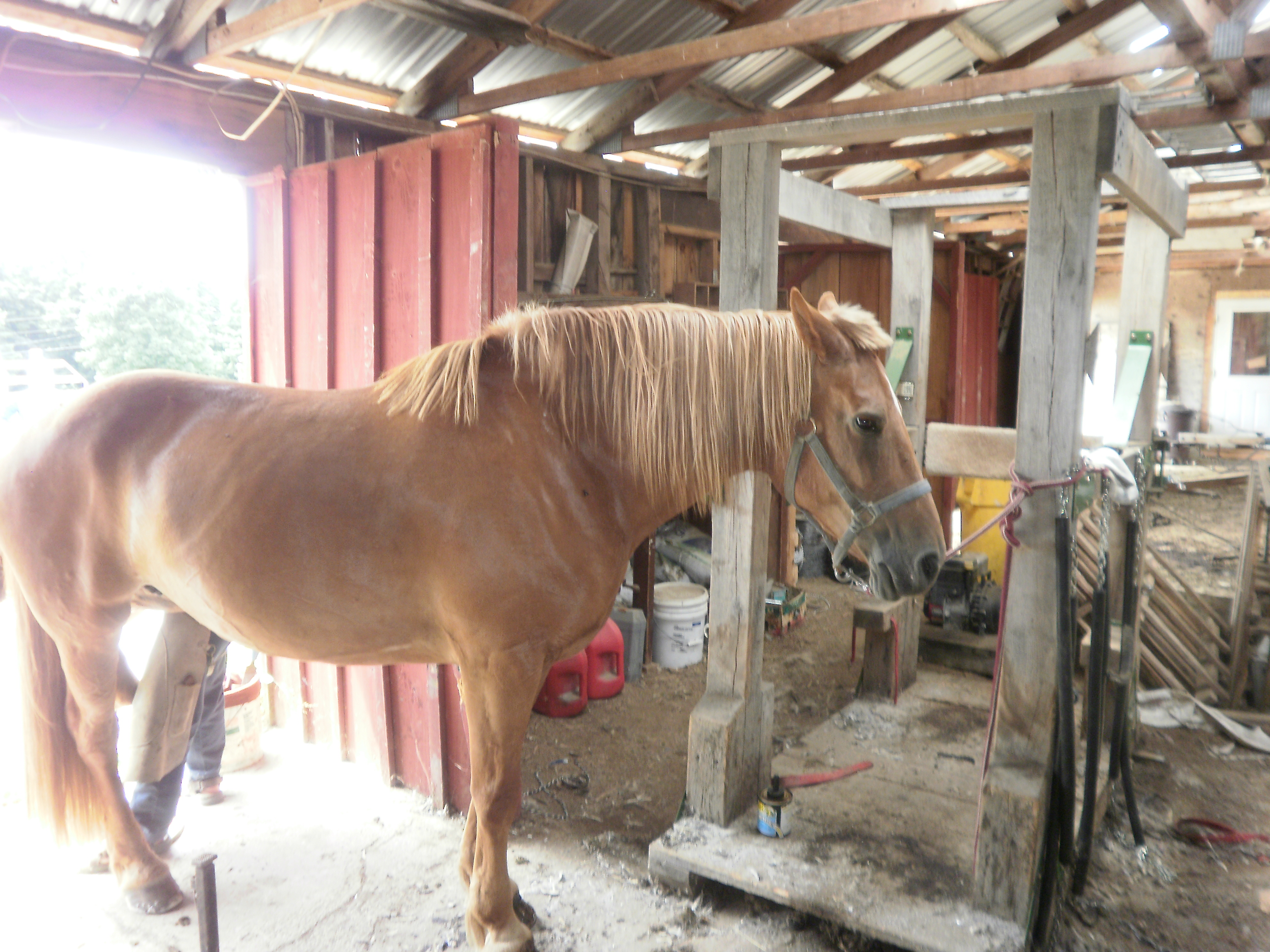
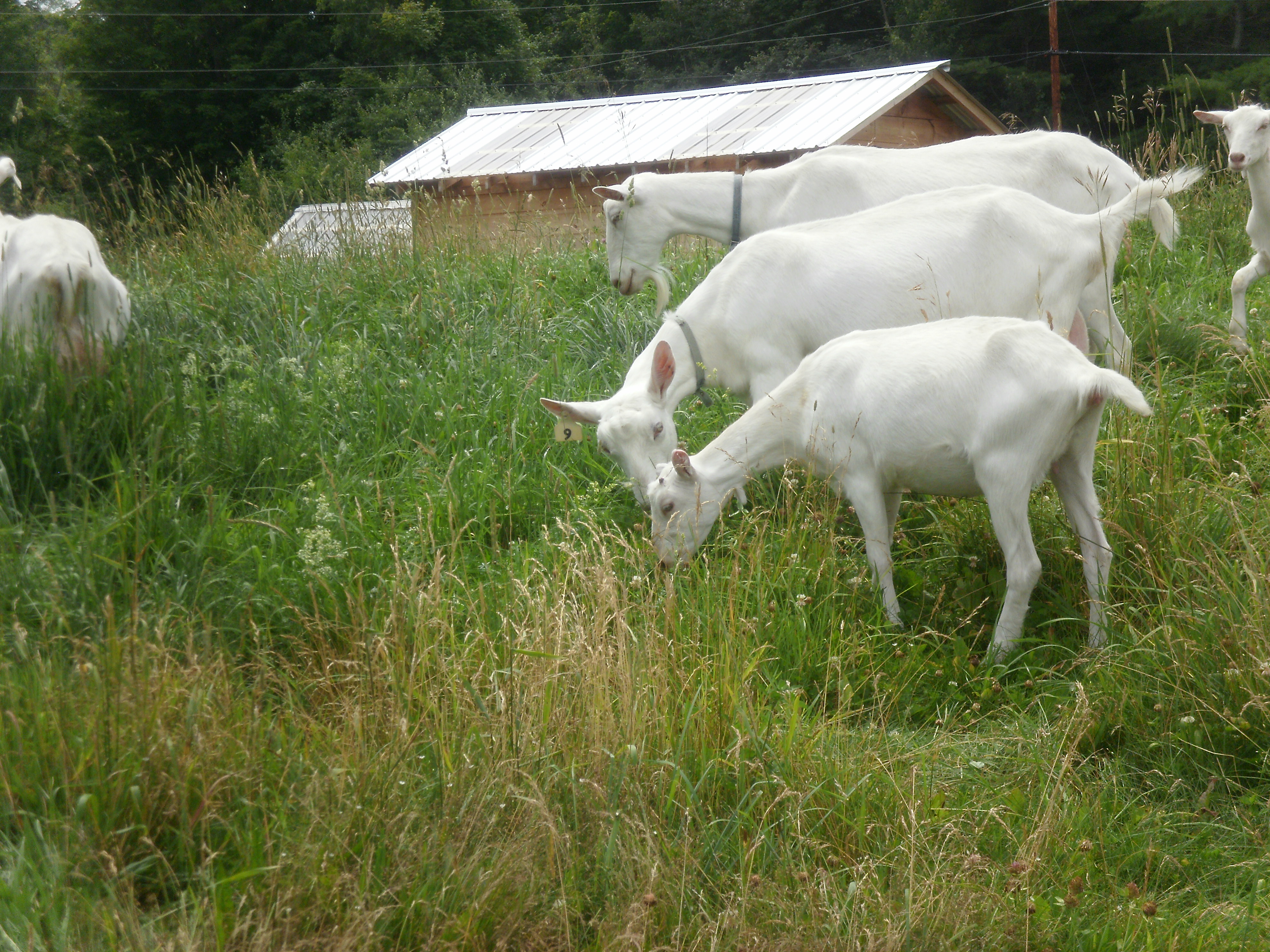
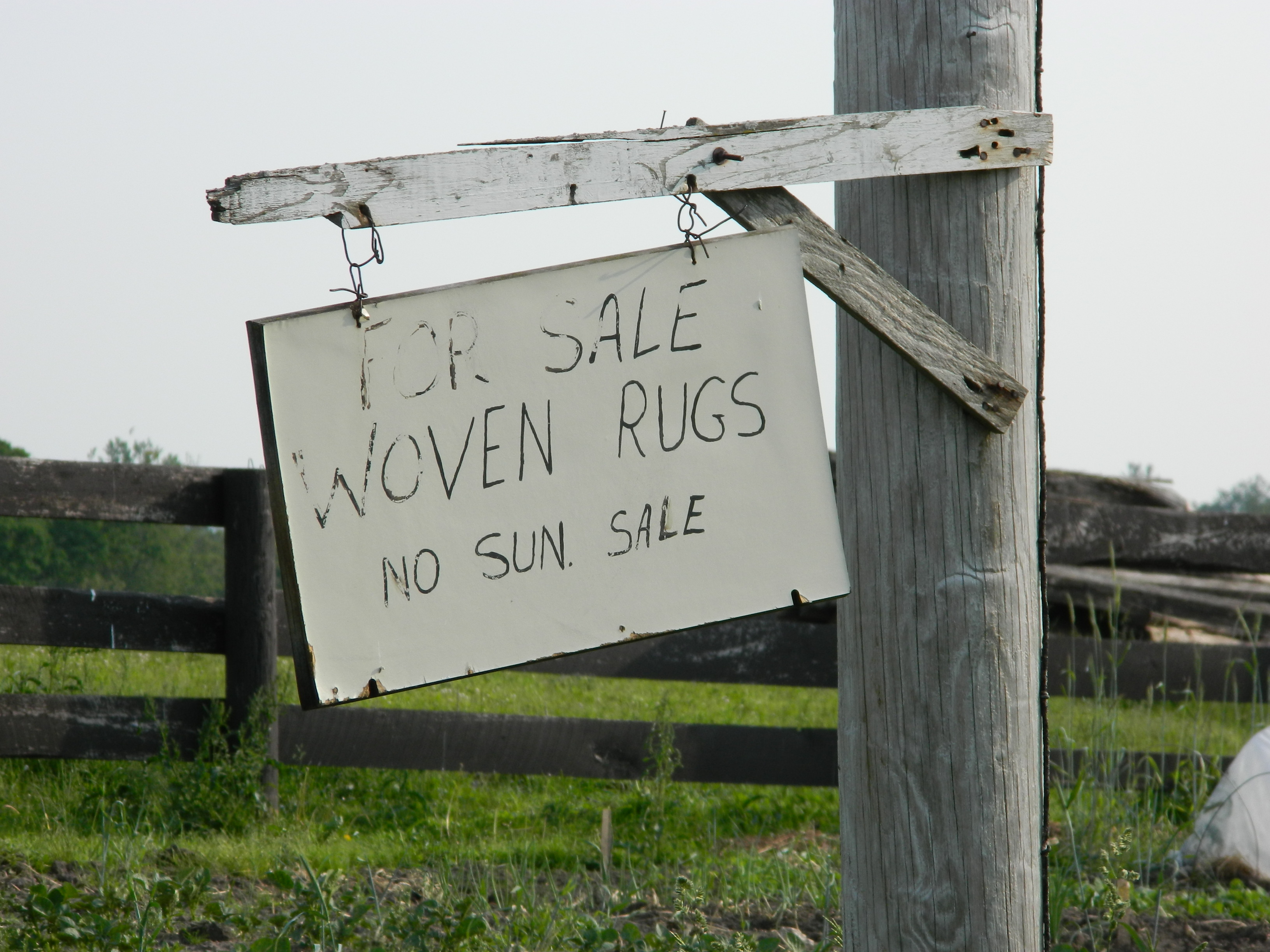
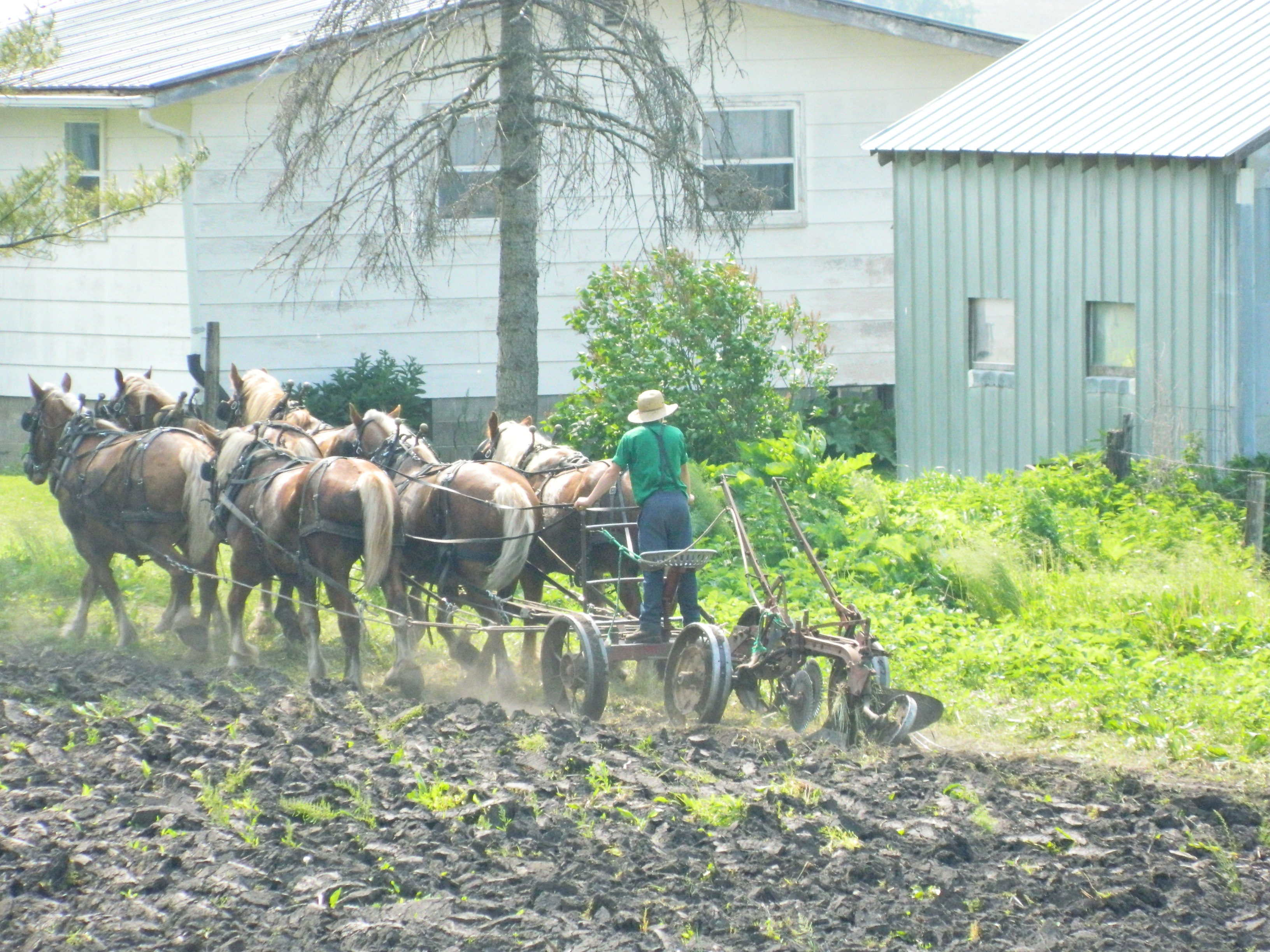
I’m sure you’ve noticed it costs a lot of money to live these days. Even if you’re a fairly subsistent farmer, there’re still items you cannot grow, taxes to be paid, doctor bills, and shoes for those children starting back to school. The Amish face an ever-increasing cost of living too. During my research trip to Maine, I spotted some interesting ways of raising cash. The area of Maine where I set Living in Harmony is home to lots of organic farms, including a few Amish farmers. Those bushes are blueberries, and they were delicious. Wood crafts are another idea, along with home-ground grains. That pony turns a huge fly-wheel/drive shaft which grinds whole wheat into flour. The Amish homeowner explained it was their idea of “horsepower.” Enjoy the photos, and don’t forget to sign up for my newsletter at www.maryellis.net. I’m giving away 10 copies of Living in Harmony on August 15th. Enjoy summer–it’ll be gone before we know it!

Writing and Photography

Writing and Photography

I love writing Amish fiction, and I adore visiting Amish communities to research the books I write. A Promise for Miriam takes place in SW Wisconsin–a beautiful part of our country. I have at least a hundred pictures of rolling countryside, babbling brooks and BUGGIES! Yes, I have lots of buggy pictures.

A camera can be an author’s best friend. It helps when we’re back home, and we’re trying to remember how a place felt or how it smelt or how the lane crunched beneath our feet.

THE ONLY PROBLEM is that the Amish prefer  not to be photographed. I understand that, and I respect it. YET, when I’m home writing it does help though to have some Amish people to look at. This is where Bill Coleman comes in. Are you familiar with his work? He’s amazing! I asked him once how it was that he’s able to photograph the Amish. This was his reply–

Thank you Vannetta. I wanted to answer some questions raised about the photographs. The community that I’ve documented over the last forty years is composed of 200+ Amish families. Like many cultures, the Amish are varied in how they go about their lives. Some have granted permission while others have requested that I not photograph. Some families are very casual and appreciate seeing their photos, some do not. Each bishop/church has their own unique viewpoints and further, each family has their own as well. To be sure, they are not a monolithic culture of rules and I think that this is a contributing factor to their longevity over these last 200 years. I’d be glad to answer any other questions anyone might have. Thank you for letting me share my life’s work.

Bill is an awesome guy, and his work has certainly touched many lives. In celebration of the release of A Promise for Miriam, I’m giving away a matted print of one of Bill’s photographs. You are able to choose which schoolhouse photo you’d like, and if you win, I’ll ship it to you. Details are on my blog and you must enter there.

Bill Coleman Photograph

  A Promise for Miriam made Christian Retailer’s top 10 fiction bestseller list this past week, and I want to thank you for that. Readers of Amish fiction are among the best I’ve ever met.

Blessings,

~V

Vannetta Chapman

author of Fiction full of Grace


Free Recipe Friday – Dutch Potatoes

I found this recipe in Wonderful Good Cooking from Amish Country Kitchens edited by Johnny Shrock. It’s a good, basic staple dish at any dinner table. One thing I’ve learned from hanging out with my Amish friends is when they say “add a few slices of cheese,” they don’t mean the Kraft individually wrapped kind. Amish in Holmes County, Ohio put a lot of effort into their cheeses, and they’re some of the best in the world in my opinion. In this case the cheese really does make the difference. The type of cheese selected gives the dish a character and flavor all its own. Trying different cheeses makes this a fun kitchen experiment every time.

Note the lack of measurements. That’s the sign of a truly good cook. They measure by sight and taste. For those of us trying to follow along, the lack of measurements presents a challenge. But hey! That’s what experimenting in the kitchen is all about, right?

Dutch Potatoes

Cook potatoes with the jackets and then slice thin by hand. Put butter or oleo (1/2 stick) in the skillet. Melt. Add potatoes and sprinkle with flour, and then add milk, enough to thicken. Fry slowly so milk doesn’t scorch. Season with salt and pepper to taste. Add a few slices of cheese about the last 4 to 5 minutes to melt over the potatoes. Turn very carefully. Serve at once.

It’s good to be home

I just returned from researching the Amish and Old Order Mennonite communities of Kentucky. Although I live within an hour of the largest population of Amish in the country, a writer truly needs to visit the area, since there are so many regional differences. For instance, in Waldo County, Maine, the setting of Living in Harmony, the Old Order Amish allow no rumschpringe, no courting buggies, no youth socials (everyone is present for all get-togethers) and no working in the English world. However, their church services are in English, not Deutsch, to encourage “drop-ins” from the local community. And they built a meetinghouse to use for church, Sunday School (yes, they have it on “off” Sundays) weddings and fund-raising events, instead of meeting in each other’s homes. Just when you thought you had these fascinating people all figured out…
I hope you’ll look for Living in Harmony, the first of the New Beginnings series, and see how life truly is different in Maine. Drop by my website to sign up for my newsletter. I’m giving away 10 copies of Living in Harmony on August 15th. Happy summer Amish readers!

Amish Dog Immigrates to America

I picked up an interesting Amish book the other day. It’s called Amish Roots, edited by John A. Hostetler. Mr. Hostetler has put together an impressive collection of writings on a variety of subjects, from Amish history to Amish legends to views on child discipline. Every article, letter, and essay is written by an Amish person, or in rare cases by an Englisch person who is speaking out for the Amish on a certain topic. I love reading the personal observations.

For instance, there’s an article in here about a dog immigrating to America along with the Beck family in 1834. Apparently the children had a hard time leaving the family pet behind in Switzerland, so Papa Beck allowed them to bring it across France with them, with the understanding that when they boarded the ship to America, the dog would not come. (Dogs were not permitted on the immigrant ships.) So the morning they were to board the ship, Papa Beck instructed his oldest son to take the dog out and drown it. (I know. Harsh. But before this current enlightened age, dogs were treated like…well, like animals.)

Little John, however, did not obey, but snuck the dog onboard. The family kept the animal hidden for a while, but then the dog gave birth to a litter of six puppies. It’s kind of hard to keep six puppies quiet and under wraps on a ship. They were discovered when none other than the ship’s captain witnessed a puppy escaping from its confines and prancing across the deck. John thought for sure he would be ordered to throw all the dogs overboard. Thank goodness the captain turned out to be a dog lover. He picked out a puppy for himself, and paid John a silver dollar plus a daguerreotype of himself. Papa Beck promptly confiscated the money and the photograph, because it was wrong for Amish to have pictures. Not sure what happened to the rest of the puppies, but Mama Dog arrived safely in Fulton County, Ohio with her family.

Don’t you just love fun glimpses into history?

Backyard Livestock

When I think of the Amish and their animals, I’m liable to envision horses, cows, and chickens. But many of us don’t live on acreage, so keeping working animals–livstock–might seem problematic. However, that’s not really the case.

All across America, it’s becoming increasingly common to hear the sound of chickens clucking from a neighbor’s backyard. Many cities allow residents to keep at least a few backyard birds—but usually no roosters are allowed due to their habit of crowing early in the morning.

I’ve raised many chickens over the years, for meat and for eggs. Now that I no longer live on the farm, having moved to a small town (population about 4,000 hardy souls), I thought my chicken raising days were over. My oldest son and daughter-in-law have kept me in homegrown eggs, but every spring I get the urge to have some chickens of my own.

This year, I decided to do something about it. I bought a late hatching of day-old chicks; three sweet little pullets that will supply me with fresh, free-range, organic eggs and that I’ve named. (I never name meat birds, for obvious reasons.)

I decided on heritage breeds, which I’ve pretty much always had, because I like their large brown eggs, good mothering habits, and friendly personalities. So now, I’m mother hen to:

  • Megg, a Speckled Sussex
  • Leia, a Buff Orpington
  • Henrietta, a Silver Laced Wyandotte

I’m brooding the girls in my garage in the largest Rubbermaid container I could find. I covered the top with wire so they can’t get out, and I keep them warm with a red-bulb infrared heat lamp. So far, so good. They are growing well and I haven’t had any problems.

In a few weeks, they’ll be ready to go outside to my backyard, where they’ll live easy lives in a movable chicken “tractor” that one of my sons made for me. With this tractor, I’ll be able to move them around to fresh “pasture” whenever they need it.

I’m looking forward to the healthful eggs, but at least as much as the eggs is the pleasure I’ll have watching the girls scratch and peck and cluck softly among themselves as they roam the backyard looking for buggy treats and just generally doing what chickens do.

I’m also curious who of you have kept chickens and what your experience has been. Do you have a great tip that has worked for you? Or possibly you have a great recipe that uses up eggs? (Three hens can lay on average 600-660 eggs per year. That’s a lot of eggs!)

I’d love to hear from you!

Blessings,

Georgia


Gifts from Wisconsin

Wisconsin Gifts and A Promise for Miriam

If you’ve noticed a snoopy-like figure dancing back and forth across the bottom of your screen, that would be me. I’m in a celebration mode. A Promise for Miriam has begun popping up on store shelves, readers have started emailing me with rave reviews, and pre-orders are shipping!

That’s a lot to celebrate.

I knew this day was coming. I even planned for it. When I visited Cashton, Wisconsin–the town where I set Pebble Creek and Miriam’s one Previewroom school house, I did a fair amount of shopping. I shopped at Kathy Kurderer’s stores. I shopped at many Amish homes with handwritten signs near the road. And I shopped at markets, where Amish families sold their handmade goods.

I feel blessed that I’m able to visit the places I write about, and I count it a priviledge to share a little bit of those places with you.

So now’s the time! Time to celebrate. Time to give gifts. Every Wednesday from now through mid July, I’ll have a blog give away of some of the things I purchased in Wisconsin (all Amish made) as well as copies of A Promise for Miriam. Don’t let that stop you from ordering a copy of the book! You can be reading, while you’re waiting to win …

If you do win, you’ll have 2 copies, and then it will be your turn to give a gift to someone you care about.

Blessings,

~V

Vannetta Chapman

author of Fiction full of Grace


The Sugarcreek Budget

The last time I was in Sugarcreek, Ohio, I picked up a copy of The Budget, a weekly newspaper that is called the “communication network for the Amish-Mennonite Communities Throughout the Americas.” It’s a regular newspaper with articles of local interest, such as the recent conviction of Monroe Beachy who cheated 2,700 people out of over $33 million through his fraudulent investment company. But far more fascinating to me are the more than 250 letters sent in from Amish and Mennonite “scribes” who live all around the U.S. and Canada. They faithfully send in a weekly letter detailing the folksy news of their communities. In return, they are given a subscription to The Budget. To the folks in Amish communities, a copy of the Budget is like getting a letter from home. It’s the only paper I’m aware of whose big news is in the letters to the editor, and Amish subscribers read it eagerly each week.

Consider this section of a letter from the scribe in the Amish community in Hestand, KY: “Two of Dan Bye’s girls went over to Joseph Troyers’ to get some pots to put plants in. It was windy and on the way home some pots fell off so both girls went after them and left their tame old horse standing. The horse decided they could walk home and left without them. No harm was done but the girls had to carry all the pots home.”

Or this one from Reedsville, WI: “Several weeks ago Leroys had some very anxious moments when 2 year old Matthias turned up missing. Linda had sent him out to the veal barn with a note for Leroy. Leroy finished his duties in the barn, snapped out the lights, hooked the door from the outside, and went for the greenhouse. Two hours later it was dinnertime and Leroy had never seen Matthias! A quick run to the school cabin and all the children joined the search party. They tramped through the muddy woods, checked the creek and fields. It was a grave concern with all the water from snow melt. Then one of the girls thought of checking the barn and there he was, what a welcome sight! He had traces of tears, but had snapped the lights back on and was putting barn lime in the calves feeding bowls and seemed none the worse for the experience. The 45 minutes they spent looking for him seemed a long time.”

And how about this one from Sugarcreek, OH: “Alta Beachy came home from the hospital and is doing better each day. She is able to eat again, although not staying alone through the day. We were over to visit her Sun. evening. Sara Beachy was in church on Sun. She is doing lots better since her fall in church 4 weeks ago. She wants to try and do her washing for the first time today.”

Oh, how I giggled when I read about those girls walking home, their arms loaded down with pots! I sympathized with poor Linda when her toddler went missing, and I wondered how Sara’s accident happened. When I read these accounts, I’m getting glimpses into the day-to-day lives of the people in these Amish communities. In fact, I think I might subscribe to The Budget. I’d rather read about Dan Bye’s girls than the latest exploits of campaigning politicians.

VACATION PACKAGE CONNECTED TO FACE OF HEAVEN LAUNCH!

The Amish & American Civil War romance The Face of Heaven is on the shelves August 1st. But the big giveaway contest connected to the book starts NOW. Sponsored by Harvest House & cbd.com the contest offers you an historic B&B (Mary Hill House) in Maryland and provides you with Mennonite breakfasts & Amish gift baskets and a free car rental so you can take day trips from your B&B to Lancaster County & Elizabethtown, the setting of the story. There’s a lot to win so enter today & get your family to enter with you to increase your chances. Blessings! Follow the link below!

http://www.christianbook.com/Christian/Books/giveaway?code=949491

Wisconsin Amish

I am NEW to the AmishReader site, so I wanted to introduce myself. Hi. I’m Vannetta Chapman, new author for Harvest House, and I’m crazy excited to be here.

I also wanted to tell you a little about the Amish community in Wisconsin, the setting for my new book, A Promise for Miriam.

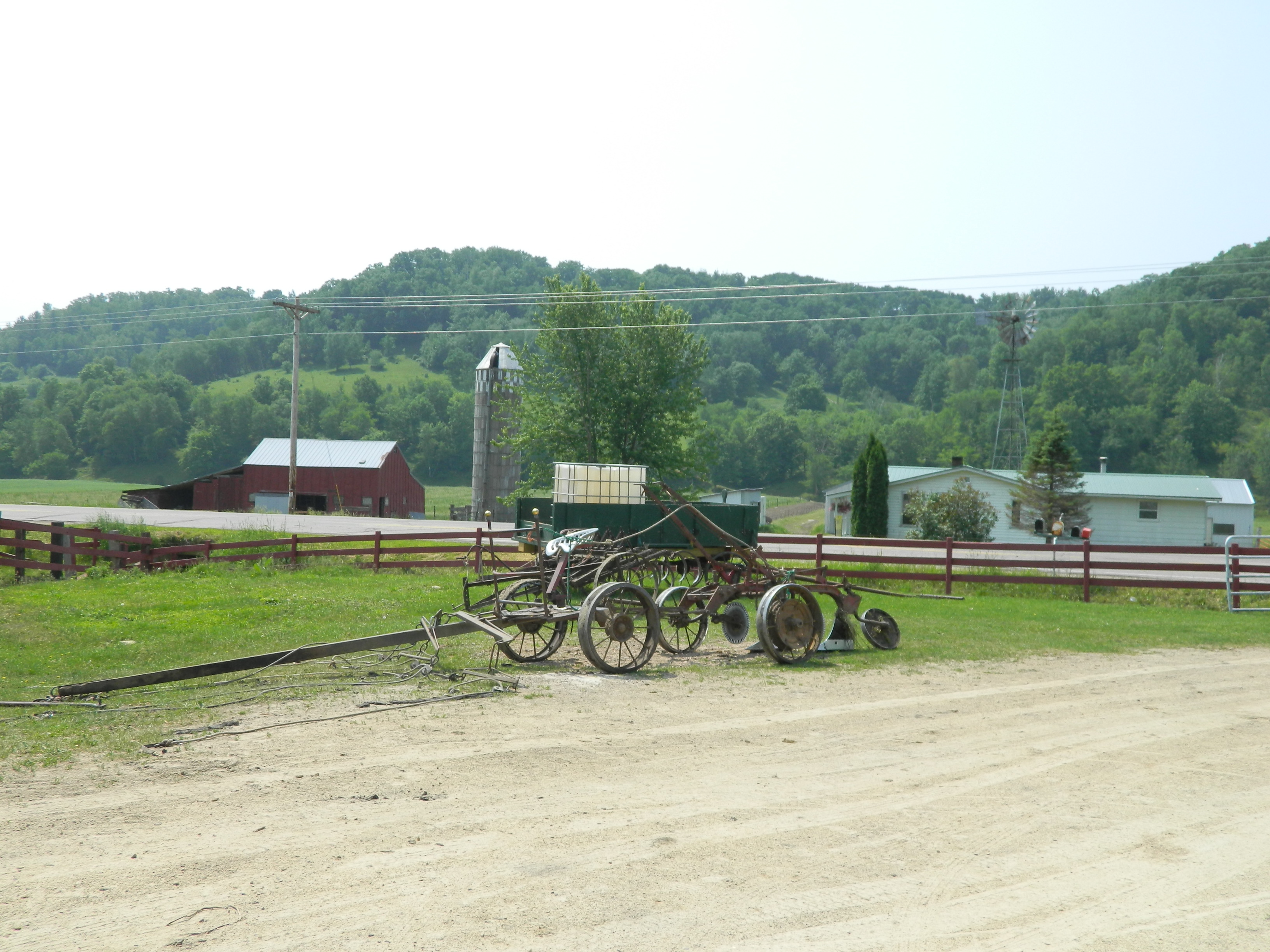
When I visited Wisconsin last summer, I was in for a big surprise. I thought the Amish community might be friendly (they always have been–wherever I go), but I didn’t realize they’d be so DIFFERENT. Wisconsin is different though. The hills are bigger, the woods thicker, and the towns farther apart. I visited in June, but I can imagine what the winters are like  — super cold! Ice fishing is a sport in parts of Wisconsin.

I’m fairly well acquainted with the Amish in Indiana, and even Ohio and Pennsylvania. The Amish community in Cashton is quite a bit more conservative though. It’s not exactly Old-order, as you might have read about,

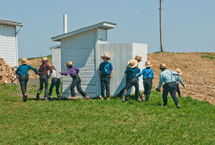
but they do still cling to the old ways. For example, there were no gas stoves or refrigerators in their kitchens. I was certainly surprised when they explained to me how they chop ice out of the river in the winter, and that ice keeps their food cold all year long. Some of the districts also still use outhouses for bathrooms in their homes.

But the people? Well the Amish people I found to be very much the same as elsewhere–gentle, peaceful, and friendly. They still invited me into their home, spoke with me freely, and made me feel very welcome.

Wisconsin Amish. In a word–lovely. I’m thankful for my new friends and the stories I have to share with you. I hope you’ll stop by my webpage and my blog. I’ll be having give-aways from June 15-July 15th as A Promise for Miriam releases. Yeah, I did some shopping while I was in Wisconsin.

Blessings,

Vannetta